

Bioponics is an innovative approach to organic hydroponics that focuses on creating sustainable and eco-friendly nutrient solutions for plant growth [1]. By utilizing various organic waste materials and employing beneficial bacteria and energy-efficient processes, bioponics offers a viable alternative to conventional inorganic fertilizers [2]. Traditionally, most people interact with bioponics by simply purchasing commercial organic solutions as an alternative to the more extractive mineral/inorganic solutions. We will explore the concept of bioponics, its nutrient sources, and the methods used to convert organic waste into plant-available nutrients.
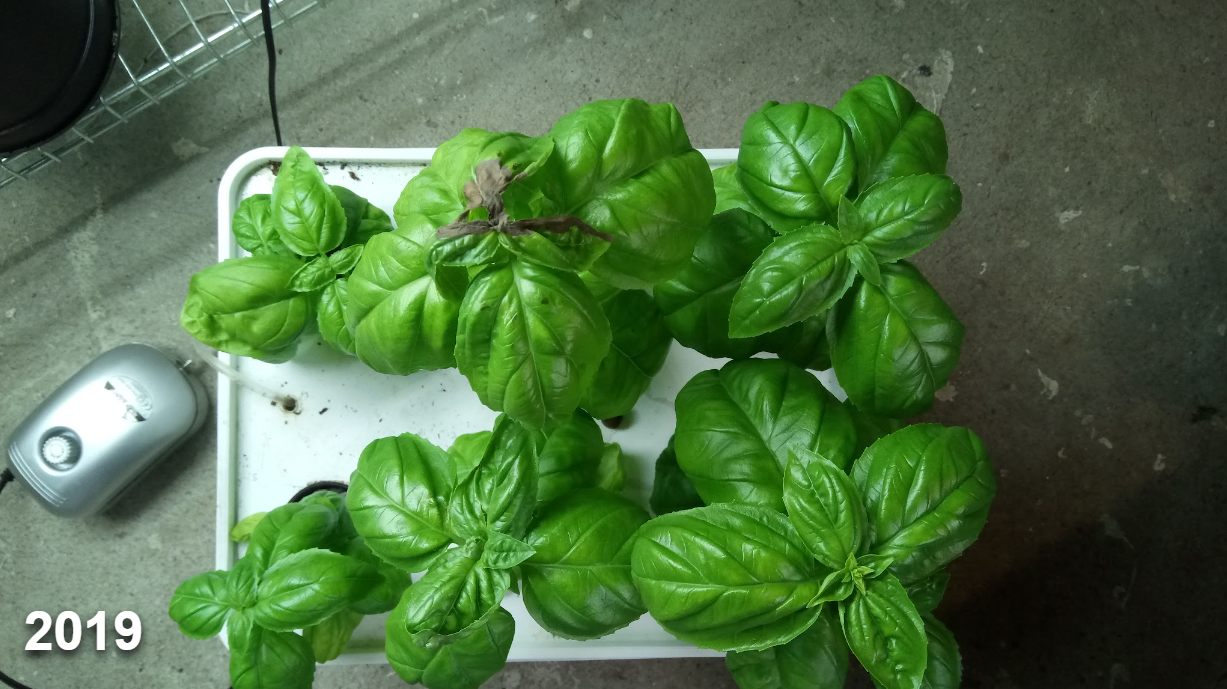
Nutrient Sources
- Vermicompost Leachate: Vermicompost, produced by the decomposition of organic matter through the action of red worms, can be used to create a nutrient-rich leachate [3]. The liquid extract from vermicompost contains essential plant nutrients and beneficial microorganisms [4].
- Bokashi Compost Leachate: Bokashi is a fermentation process that uses a mix of microorganisms to break down organic matter [5]. The resulting compost leachate is rich in nutrients and can be used as a liquid fertilizer in bioponics systems [6].
- Dried and Crushed Vermicompost: Vermicompost can be dried and crushed into a fine powder, which can then be dissolved in water to create a nutrient solution [7]. This method allows for easy storage and transportation of the organic fertilizer.
- Green Waste Biogas Slurry: Biogas, produced through the anaerobic digestion of organic waste, generates a nutrient-rich slurry as a byproduct [8]. This slurry can be processed and used as a liquid fertilizer in bioponics systems [9].
- Compost Tea: Compost tea is made by steeping compost in water, allowing the beneficial microorganisms and nutrients to extract into the liquid [10]. This nutrient-rich solution can be used to feed plants in bioponics setups [11].

Conversion Methods
- Aeration and Water Recirculation: To maintain optimal nutrient levels and prevent stagnation, bioponics systems often employ aeration and water recirculation techniques [12]. Air pumps and water pumps are used to oxygenate the nutrient solution and ensure even distribution of nutrients to the plants [13].
- Heating: Some organic waste materials, such as bokashi compost, may require heating to accelerate the breakdown process and release nutrients into the liquid solution [14].
- Crushing and Sieving: Dried vermicompost or other solid organic materials can be crushed and sieved to obtain a fine powder, which can be easily dissolved in water to create a homogeneous nutrient solution [15].
- Centrifugation: Centrifugation can be used to separate the liquid and solid components of organic waste slurries, such as biogas slurry [16]. This process allows for the extraction of the nutrient-rich liquid fraction, which can be used as a fertilizer in bioponics systems [17].
Bioponics represents a sustainable and eco-friendly approach to organic hydroponics, utilizing various nutrient sources derived from food waste and garden waste [18]. By employing beneficial bacteria and energy-efficient conversion methods, bioponics enables the creation of plant-available nutrients from organic materials [19]. As the demand for sustainable and organic food production grows, bioponics offers a promising solution that minimizes waste and promotes a circular economy in agriculture [20].
References
- Schmautz, Z., et al. (2020). Bioponics: A review of the history, current trends, and future directions. Agronomy, 10(12), 1885.
- Goddek, S., et al. (2019). The role of organic fertilizers in bioponics: A review. Agronomy, 9(11), 726.
- Arancon, N. Q., et al. (2004). Effects of vermicomposts on growth and marketable fruits of field-grown tomatoes, peppers and strawberries. Pedobiologia, 47(5-6), 731-735.
- Pant, A. P., et al. (2009). Vermicompost leachate as a liquid fertilizer for marigold production. Bioresource Technology, 100(19), 4664-4671.
- Boechat, C. L., et al. (2019). Bokashi: A sustainable organic fertilizer for improving soil fertility and crop production. Journal of Cleaner Production, 234, 1328-1335.
- Kim, M. J., et al. (2016). Evaluation of bokashi as an organic fertilizer for organic farming of green chili pepper. Korean Journal of Organic Agriculture, 24(1), 51-60.
- Adhikary, S. (2012). Vermicompost, the story of organic gold: A review. Agricultural Sciences, 3(7), 905-917.
- Makádi, M., et al. (2012). Digestate: A new nutrient source – Review. In Biogas (pp. 295-310). InTech.
- Fuchs, J. G., et al. (2008). Effects of digestate on the environment and on plant production – results of a research project. Compost and digestate: sustainability, benefits, impacts for the environment and for plant production. Proceedings of the international congress CODIS 2008, 27-29 February 2008, Solothurn, Switzerland (pp. 101-110).
- Scheuerell, S., & Mahaffee, W. (2002). Compost tea: Principles and prospects for plant disease control. Compost Science & Utilization, 10(4), 313-338.
- Pant, A. P., et al. (2012). Vermicompost tea: A novel liquid compost extract for the suppression of plant pathogens and promotion of plant growth. In Microorganisms in Sustainable Agriculture and Biotechnology (pp. 183-199). Springer, Dordrecht.
- Goto, E., et al. (2005). Plant production in closed ecosystems: The basics and applications. In Plant Production in Closed Ecosystems (pp. 1-7). Springer, Dordrecht.
- Savvas, D., & Passam, H. (Eds.). (2002). Hydroponic production of vegetables and ornamentals. Embryo publications.
- Quiroz, M., et al. (2014). Bokashi as an amendment and source of nitrogen in sustainable agricultural systems: a review. Journal of Soil Science and Plant Nutrition, 14(2), 238-248.
- Álvarez, M. L., et al. (2018). Vermicompost and compost as growing media for potted plant production. In Organic Fertilizers-From Basic Concepts to Applied Outcomes. IntechOpen.
- Möller, K., & Müller, T. (2012). Effects of anaerobic digestion on digestate nutrient availability and crop growth: A review. Engineering in Life Sciences, 12(3), 242-257.
- Stoknes, K., et al. (2016). Liquid digestate from anaerobic treatment of source-separated household waste as fertilizer to barley. Waste Management & Research, 34(12), 1271-1276.
- Kawamura-Aoyama, C., et al. (2014). Study on the hydroponic culture of lettuce with microbially degraded solid food waste as a nitrate source. Japan Agricultural Research Quarterly: JARQ, 48(1), 71-76.
- Shinohara, M., et al. (2011). Microbial mineralization of organic nitrogen into nitrate to allow the use of organic fertilizer in hydroponics. Soil Science and Plant Nutrition, 57(2), 190-203.
- Liedl, B. E., et al. (2006). Liquid effluent from poultry waste bioremediation as a potential nutrient source for hydroponic tomato production. Acta Horticulturae, 742, 385-392.
Disclaimer: The information above has been partially aided in its drafting and/or editing with LLM tools.